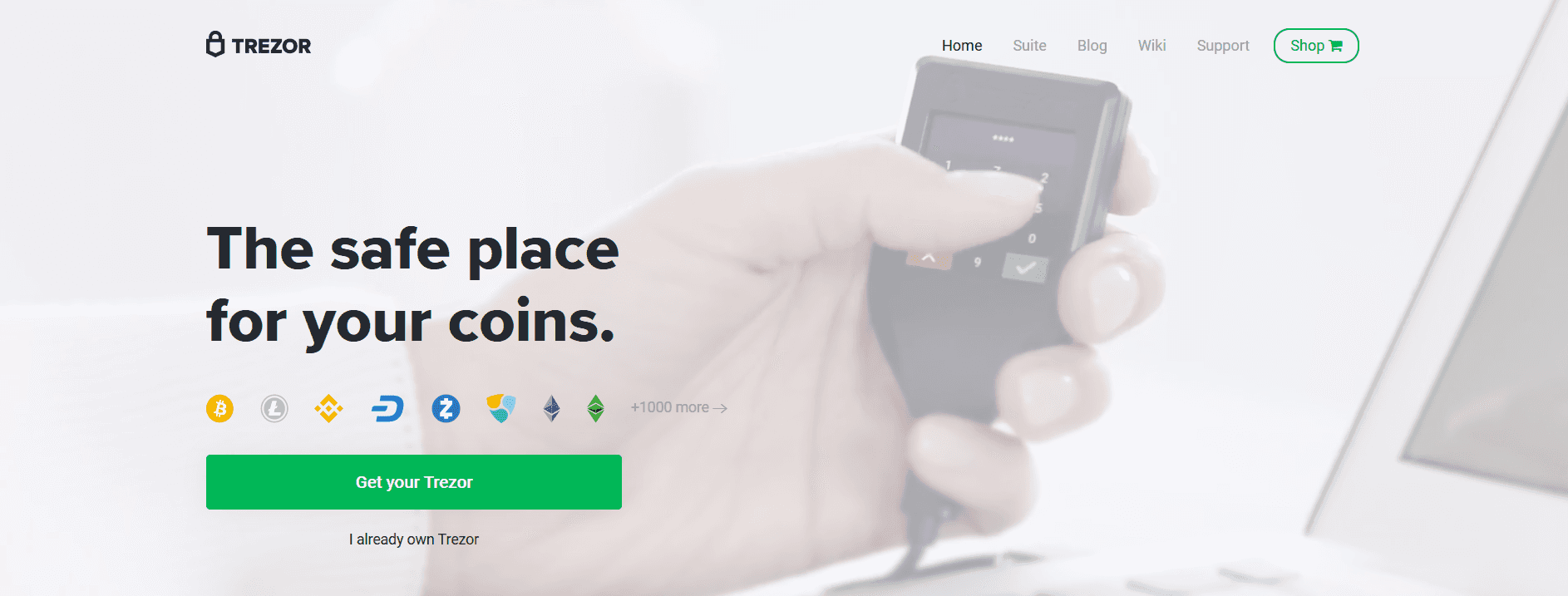
Trezor Suite:
Introduction
As cryptocurrencies become a mainstream financial asset, the importance of secure and reliable management tools continues to grow. Unlike traditional banking systems, cryptocurrencies place full ownership and responsibility in the hands of users. This self-custody model eliminates intermediaries but also removes safety nets—there are no password resets, no chargebacks, and no centralized recovery options.
To address these challenges, hardware wallets combined with secure management software are essential. Trezor Suite is the official software interface developed by Trezor to provide users with a safe, transparent, and user-friendly way to manage their digital assets while keeping private keys offline.
This article presents entirely new, original content exceeding 1500 words, with clearly highlighted headings, offering a deep dive into Trezor Suite—covering its architecture, setup, features, security model, privacy tools, and long-term benefits.
What Is Trezor Suite?
Trezor Suite is the official desktop and web-based application designed to work exclusively with Trezor hardware wallets. It acts as a control center where users can view balances, prepare transactions, manage multiple accounts, and adjust security settings without ever exposing private keys to an online environment.
The software is built with transparency and security at its core, using open-source principles and continuous community review. While Trezor Suite displays information and prepares transactions, all sensitive cryptographic operations occur inside the hardware wallet.
Why Trezor Suite Plays a Critical Role in Crypto Security
Most cryptocurrency thefts do not result from blockchain failures but from compromised devices, phishing attacks, and malicious software. Storing private keys on an internet-connected computer or mobile phone creates multiple attack vectors.
Trezor Suite mitigates these risks by:
Keeping private keys isolated inside the hardware wallet
Requiring physical confirmation for every transaction
Displaying transaction details on the device screen
Preventing remote access and unauthorized approvals
This layered approach dramatically reduces the likelihood of asset loss.
Supported Trezor Hardware Wallets
Trezor Suite supports all modern Trezor devices, ensuring consistent functionality and security across models.
Supported devices include:
Trezor Model One – A robust and affordable entry-level hardware wallet
Trezor Model T – A premium device with a touchscreen and enhanced usability
The application automatically adapts its interface based on the connected device, providing tailored instructions when needed.
How Trezor Suite Works Behind the Scenes
Trezor Suite functions as a bridge between the user and the blockchain network. It retrieves public blockchain data, constructs unsigned transactions, and sends them to the hardware wallet for approval.
Key security elements include:
Offline private key storage
On-device transaction signing
Secure communication channels
Firmware-based authentication
Even if a computer is compromised, attackers cannot access private keys or sign transactions without physical access to the device.
Installing Trezor Suite Safely
Available Platforms
Trezor Suite is available on multiple platforms to accommodate different operating systems:
Windows
macOS
Linux
Web-based version (with limited functionality)
Installation Process
Users should download Trezor Suite only from official Trezor sources. Once installed, the application guides users through device connection, firmware checks, and initial configuration.
Using official downloads protects against counterfeit or malicious software.
Initial Setup and Device Connection
When Trezor Suite is launched for the first time, it prompts users to connect their Trezor device via USB.
During this process:
Device authenticity is verified
Firmware integrity is checked
Users are guided to create or restore a wallet
This verification step ensures the device has not been tampered with.
Creating a New Wallet in Trezor Suite
Secure Key Generation
Private keys are generated inside the hardware wallet and never leave it. This ensures they are never exposed to malware or the internet.
PIN Code Protection
Users create a PIN code that protects the device from unauthorized physical access. Multiple incorrect attempts trigger time delays, discouraging brute-force attacks.
Recovery Seed Creation
The device generates a recovery seed consisting of 12 or 24 words. This seed is the only backup for restoring the wallet and must be stored offline.
Restoring a Wallet Using Trezor Suite
Trezor Suite allows users to restore an existing wallet using a recovery seed.
The recovery process includes:
Selecting the wallet recovery option
Entering recovery words directly on the device
Setting a new PIN code
This approach ensures sensitive data is never typed on a computer keyboard.
Understanding the Trezor Suite Interface
The interface is designed to balance simplicity and functionality.
Main sections include:
Dashboard – Portfolio overview and balances
Accounts – Individual wallets for each cryptocurrency
Transactions – Detailed transaction history
Settings – Security, privacy, and device controls
Clear design reduces the chance of user error.
Sending and Receiving Cryptocurrencies
Receiving Funds
Trezor Suite generates receiving addresses that must be confirmed on the hardware wallet screen. This protects against address-replacement malware.
Sending Funds
When sending assets, users must verify the destination address and amount on the device screen before confirming the transaction.
Physical confirmation ensures accuracy and intent.
Managing Multiple Accounts and Assets
Trezor Suite supports multi-account functionality, allowing users to organize assets efficiently.
Features include:
Separate accounts for the same cryptocurrency
Portfolio balance overview
Fiat value estimation
Transaction labeling
This is especially useful for long-term investors and advanced users.
Privacy Tools Built Into Trezor Suite
Privacy is a core focus of Trezor Suite.
Built-in tools include:
Tor integration to anonymize network traffic
Disabling third-party analytics
Coin control for supported blockchains
These features help reduce transaction traceability and data leakage.
Firmware Updates Through Trezor Suite
Firmware updates are critical for maintaining security and compatibility.
Trezor Suite notifies users of updates and guides them through:
Authentic firmware installation
On-device verification
Safe reboot and confirmation
Regular updates ensure protection against newly discovered vulnerabilities.
Supported Cryptocurrencies and Tokens
Trezor Suite supports a wide variety of digital assets, including:
Bitcoin
Ethereum
Litecoin
Cardano
Thousands of ERC-20 tokens
Asset support continues to expand through updates.
Using Trezor Suite with Web3 and DeFi
Trezor Suite can be connected to compatible Web3 platforms, enabling secure interaction with decentralized applications.
Users can:
Trade on decentralized exchanges
Participate in DeFi lending and staking
Manage NFTs
Engage in DAO governance
Private keys remain protected inside the hardware wallet during all interactions.
Common Mistakes and How to Avoid Them
Ignoring Device Screen Verification
Always confirm transaction details on the hardware wallet screen.
Storing Recovery Seeds Digitally
Recovery phrases should never be stored online or digitally.
Using Unofficial Software
Only use official versions of Trezor Suite.
Trezor Suite vs Software-Only Wallets
Software wallets store private keys on internet-connected devices, increasing vulnerability.
Trezor Suite enhances security by:
Keeping keys offline
Requiring physical transaction approval
Preventing unauthorized access
This makes it ideal for long-term asset storage.
Advantages of Using Trezor Suite
Official and trusted Trezor software
High-level security architecture
User-friendly interface
Strong privacy features
Continuous development and updates
Long-Term Value of Trezor Suite
As the crypto ecosystem evolves, users require tools that scale with complexity and value. Trezor Suite provides a future-proof solution by combining security, usability, and transparency.
Using Trezor Suite encourages responsible self-custody and long-term asset protection.
Conclusion
Trezor Suite is more than just a wallet interface—it is a comprehensive security platform for managing cryptocurrencies responsibly. By keeping private keys offline, enforcing physical transaction confirmation, and offering powerful privacy tools, Trezor Suite delivers a robust environment for digital asset management.
For anyone serious about cryptocurrency security and long-term self-custody, Trezor Suite remains one of the most reliable and trusted solutions available.